For centuries, working the land relied on a farmer’s trained eye, knowledge of the terrain and experience passed down through generations.
Today, that knowledge sits alongside satellites that monitor crop conditions in real time, sensors that measure soil moisture down to the centimetre and algorithms that spot pests before they’re visible to the naked eye.

Farming is going through a quiet but profound transformation, and Portugal, where farmland covers almost 42% of the country, is no exception.
What’s changed in how Portugal farms?
The pressure to change is real and it’s coming from several directions at once. The cost of inputs such as fertiliser, energy and water keeps rising. A shortage of agricultural labour is becoming more common across many regions.
Regulatory requirements around sustainability and food traceability have grown stricter. Consumers, meanwhile, are demanding ever more transparency about where their food comes from and its environmental impact.
This is the context technology is stepping into, not to replace the farmer, but to support their experience with more precise information, anticipate risks and help make better use of resources that are increasingly scarce and costly.
According to an analysis by Stratesys, a consultancy specialising in digital transformation for the agri sector, the industry is entering a new stage experts call Precision Farming 2.0, marked by connected systems, integrated data and automated decisions across the daily running of a farm.

the five technologies transforming the field
Sensors and the Internet of Things
Sensor networks track variables such as soil moisture, nutrient levels, solar radiation and general conditions in real time. This data makes it possible to apply water, fertiliser or seed differently across each part of a farm, cutting waste and reducing the environmental impact.
Satellites and drones
Remote observation makes it easier to monitor crop health and catch pests, nutrient deficiencies or water stress early. Farmers can then act only on the areas that actually need attention, instead of treating the whole farm the same way.
Artificial intelligence and predictive analysis
Algorithms combine data from sensors, satellite images and weather forecasts to anticipate risks, recommend actions, estimate harvest volumes and optimise sowing, irrigation and fertiliser schedules. AI doesn’t replace the farmer’s judgement, but it gives them a far fuller picture to decide with.
Robotics and automation
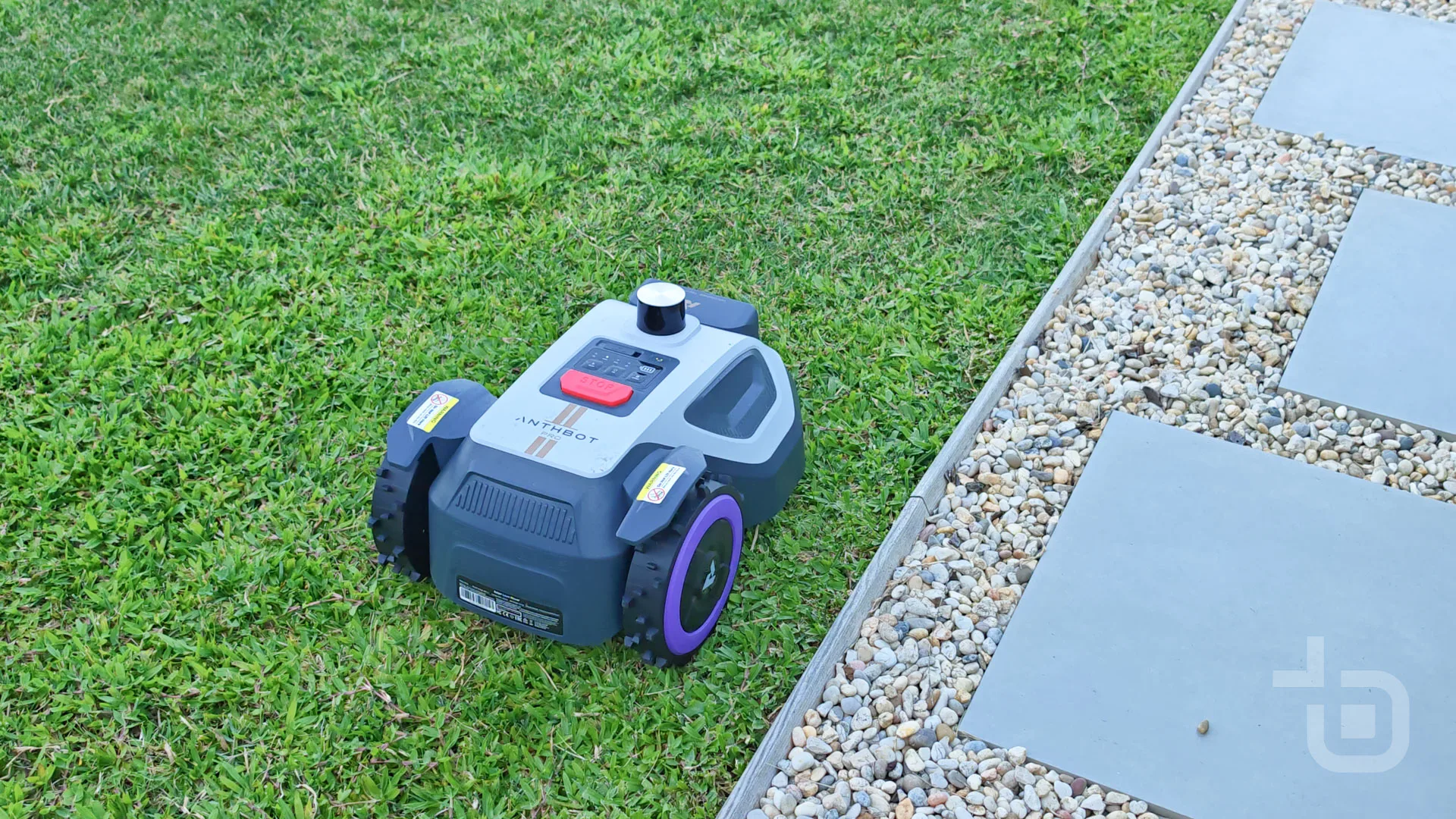
Autonomous machinery is starting to take on tasks such as sowing, targeted spraying and crop maintenance, cutting the need for constant supervision and helping offset the shortage of agricultural labour, one of the most pressing problems facing the sector in Portugal and across Europe.
Blockchain and food traceability
Blockchain technology can log information about a product’s origin, harvest date, treatments applied, and transport and storage conditions, as well as its carbon footprint, strengthening transparency across the whole food chain and making it easier to meet regulatory requirements.
Portugal on the digital farming map
Farming makes up a significant share of Portugal’s territory. In 2023, Utilised Agricultural Area accounted for 41.9% of the country’s land, according to INE data published by PORDATA. Portugal has been following the wider European trend of bringing technology into the sector, with growing focus on solutions that improve resource efficiency and support more precise, sustainable farm management.
Adoption, however, isn’t even across the board. Large farms and agricultural cooperatives have moved faster in adopting technology, while small and medium sized farms, which make up most of Portugal’s agricultural fabric, still face real barriers around cost and access.
The next step is more data for better decisions
One of the key shifts experts point to is how the needs of farms themselves are evolving. After years spent generating huge amounts of data, the sector is now looking for platforms that can pull that information together and turn it into recommendations farmers can actually act on.
Interoperability will be one of the deciding factors in how the sector develops. Being able to connect machinery from different manufacturers and centralise information on a single platform could extend equipment lifespans, reduce reliance on closed technology ecosystems and improve the return on investment. Joined up data management will also make it easier to meet new regulatory obligations covering fertiliser use, treatments applied, food traceability and environmental impact measurement.
The challenges still holding back adoption
Despite the technological progress, adoption remains uneven. The upfront cost of equipment is still a barrier for small and medium sized farms, while poor connectivity in some rural areas makes it harder to use cloud platforms and tools that rely on a constant flow of information. Building up digital skills among people working in the sector is another challenge that keeps coming up.
But perhaps the most sensitive issue is data ownership and control. Farmers need to know who controls the information generated by their farms, where it’s stored, who can access it and what it’s used for. Without those guarantees, farms are unlikely to share production, financial or agronomic information they consider strategic, which limits how reliable predictive models can be and how much decisions can really be based on complete data.
What does the future hold?
Digital farming is steadily moving from being a differentiator reserved for the most advanced operations to becoming a basic condition for staying competitive, meeting market demands and moving towards more efficient, sustainable production. The challenge isn’t purely technological. It also means improving connectivity in rural areas, developing solutions that are compatible and affordable for farms of every size, supporting farmers through the adoption process and putting in place security and transparency guarantees that let every farm keep control over its own information.
Technology hasn’t arrived in the field to replace the people who work it. It’s here to give farmers a tool they never had before, the ability to know, with precision, exactly what’s happening in every square metre of their farm, and to act accordingly.
Sobre o autor

Aproveite a campanha: