When I published the Anthbot M9 Pro review in August, I had a few weeks of real-world use. That period is enough to understand that the product works, but not enough to grasp what truly changes when you integrate a robot lawn mower into your garden routine. Six months after starting to use this type of robot — having started with the Genie 800 — I now know the answer, and it is more interesting than I expected.
The change was not only in the time saved. It was in how I came to look at the garden, the lawn, and what I still have to do by hand.

There are real gains, there are known limitations, and there are lessons that only extended use allows you to understand.
6 months with a robot lawn mower: what changed, what you learn, and what nobody tells you
The routine that disappeared
For years, mowing the lawn was a weekend task. A Saturday morning every one or two weeks, with the mower covering the entire area. It was effective, but it consumed time and energy I would rather have invested in other things.
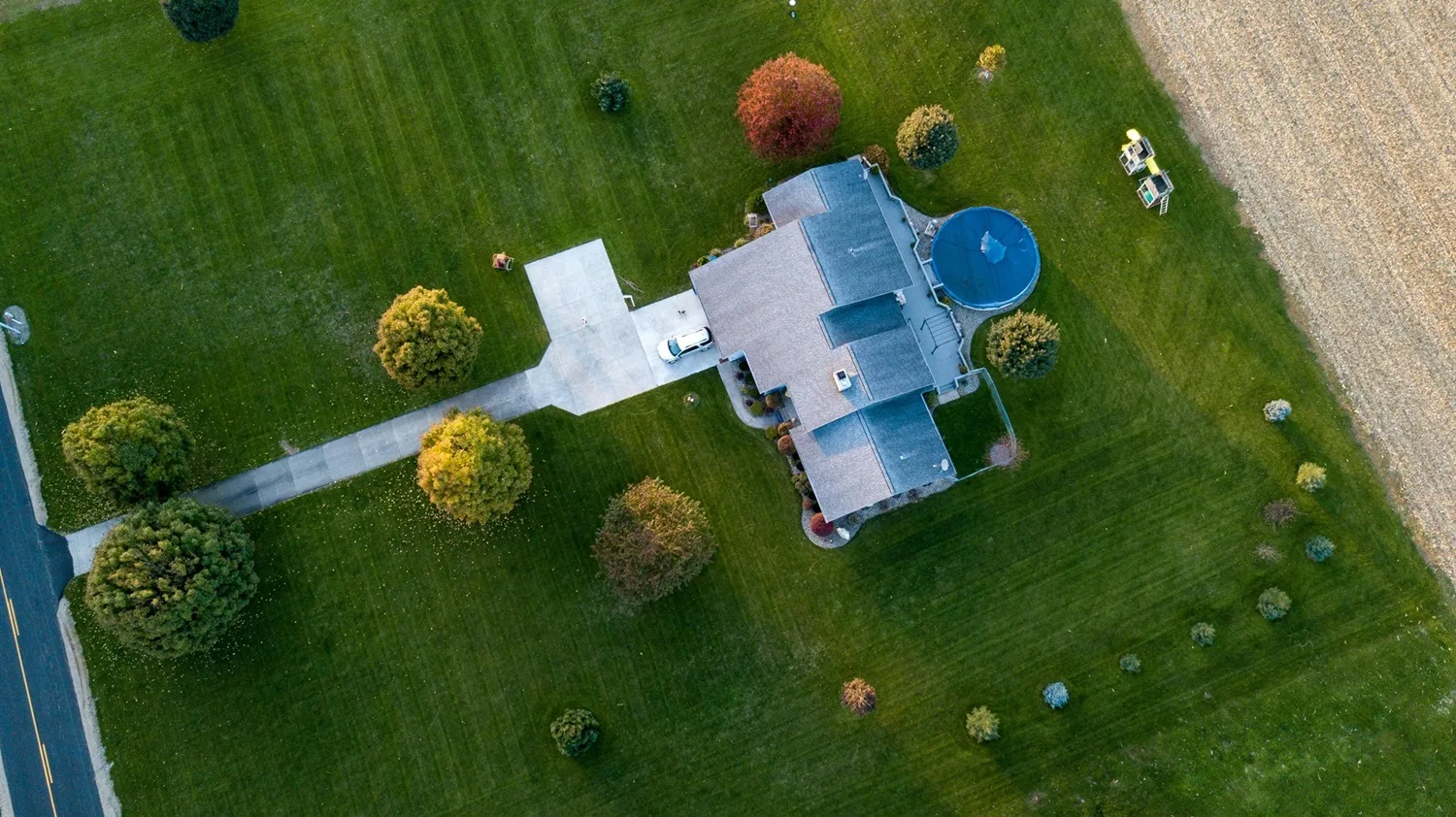
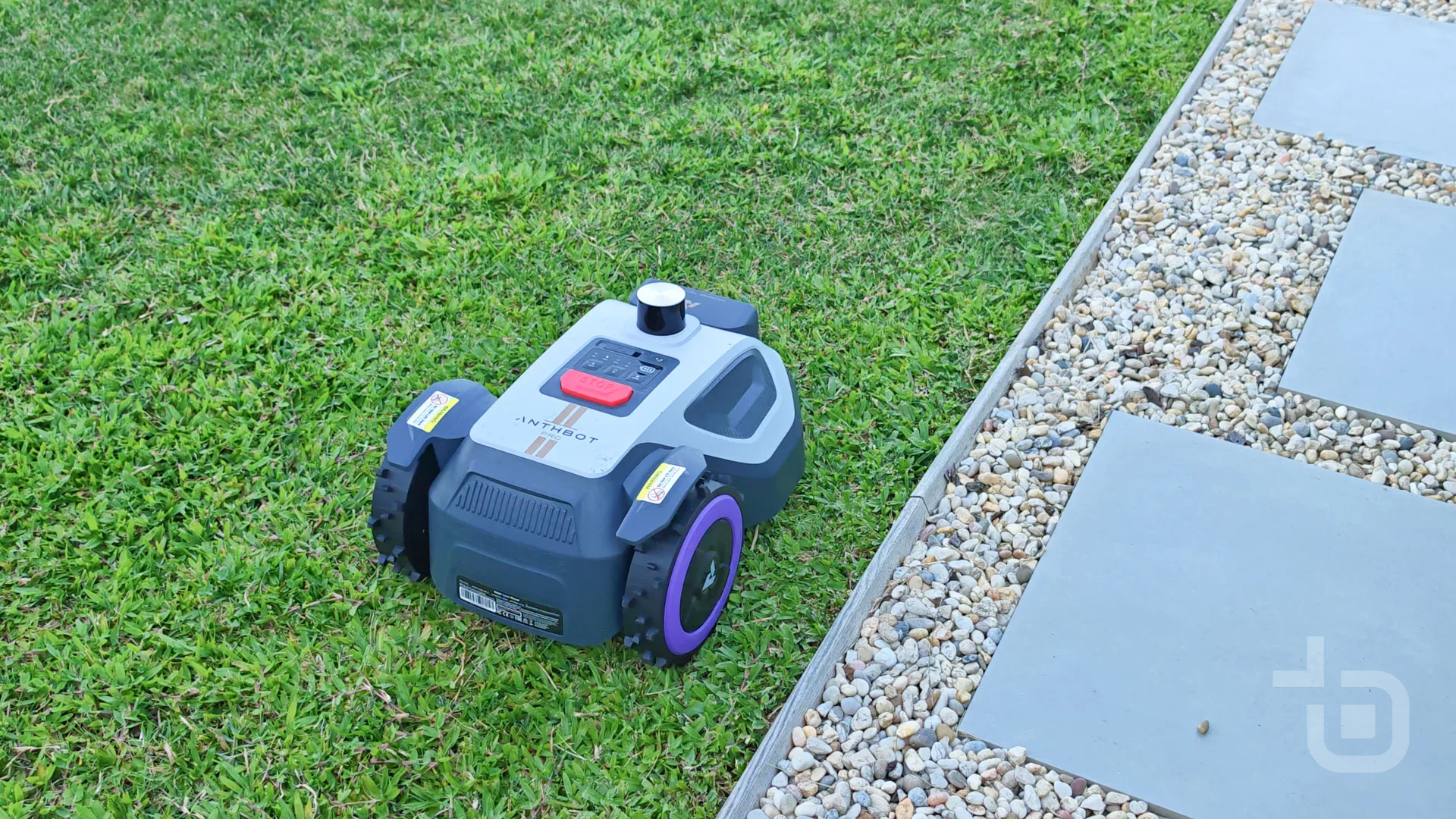
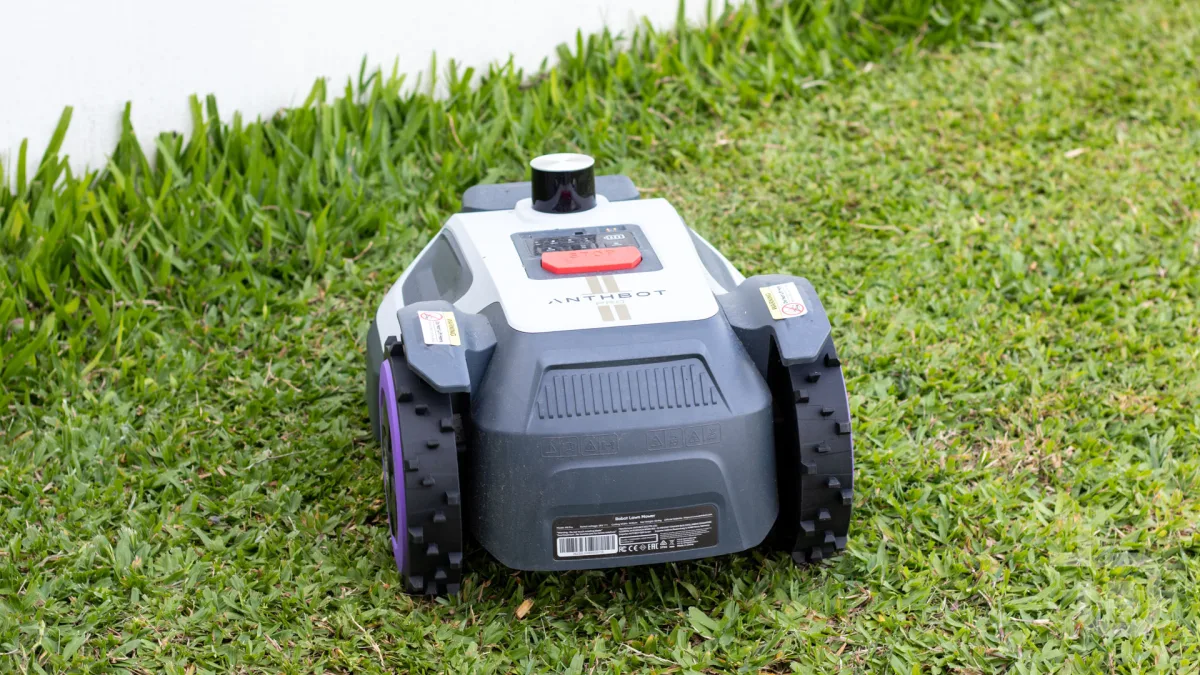
I no longer do that. The Anthbot M9 Pro leaves its base every day in the late afternoon, cuts the grass to 30 mm, and returns on its own. No intervention, no planning, no need to remember. The lawn is always trimmed, with the rectangular stripe effect typical of football pitches, resulting from the alternating cut direction. The result is visually far neater than what I managed with fortnightly manual mowing.
This change in frequency is one of the aspects I most underestimated before buying. Cutting a little every day, rather than a lot every two weeks, results in healthier grass, with less stress on the lawn and without the large clippings left behind when growth was excessive.
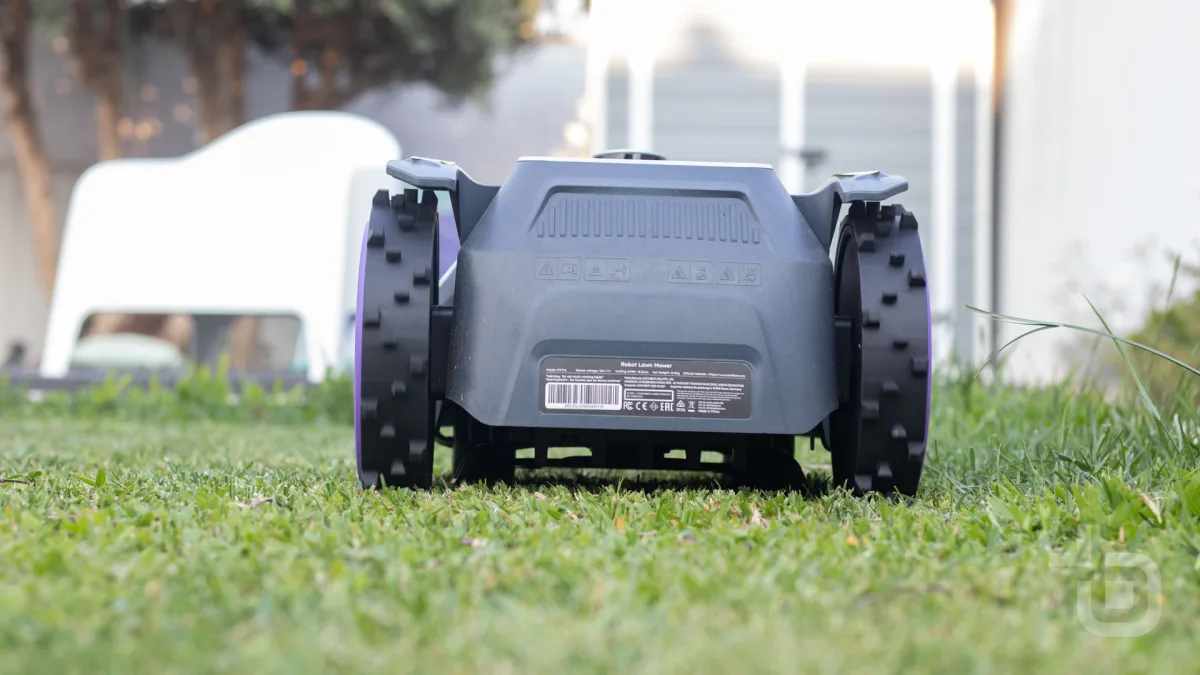
What the robot lawn mower does on its own and does well
Rain detection works consistently. The robot returns to its base when it rains, or simply does not leave if it is raining at the scheduled time. I have never had to intervene in that process, never found it stopped in the middle of the garden in the rain.
Obstacle detection has improved considerably with the firmware updates that Anthbot has been releasing since August. Hoses, irrigation boxes, objects left in the garden — the robot navigates around everything without me needing to clear the area before each session.
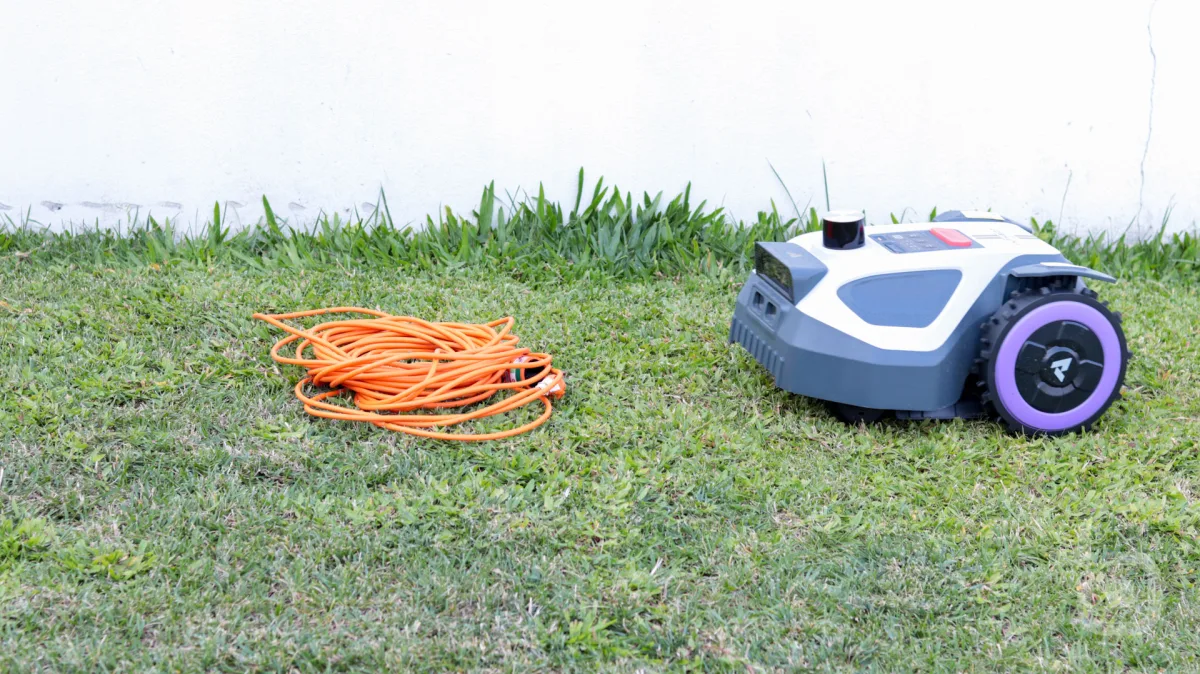
In the original review I pointed to lateral detection as the weakest point and, while it is not yet perfect, that improvement work was carried out by the brand over these months.
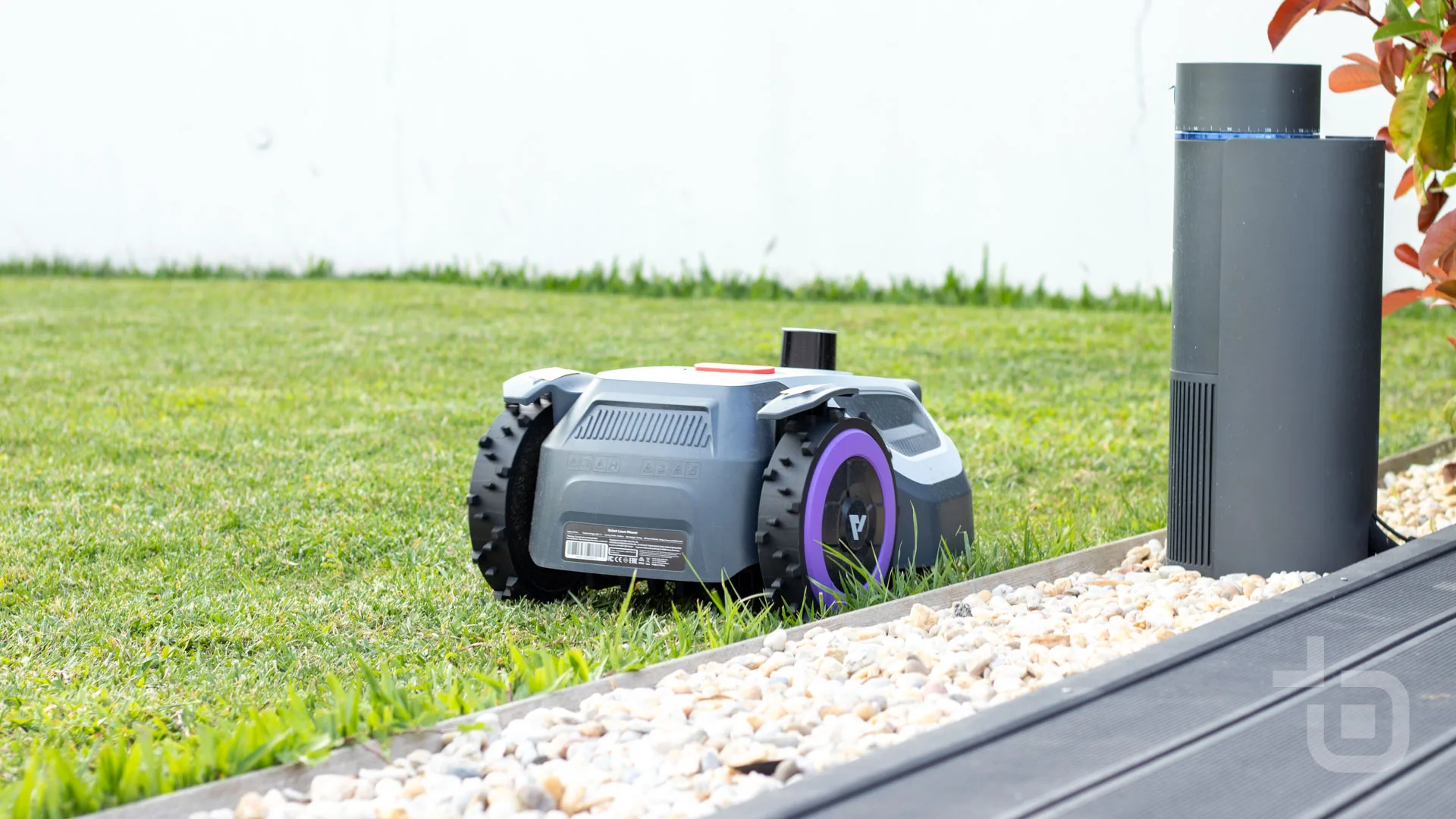
NetRTK, which allows using only the robot’s GPS without the external antenna, works well in my garden. The precision is not absolute, but for daily use it is more than sufficient. The RTK antenna remains installed for days when I want maximum precision, but it is no longer essential.
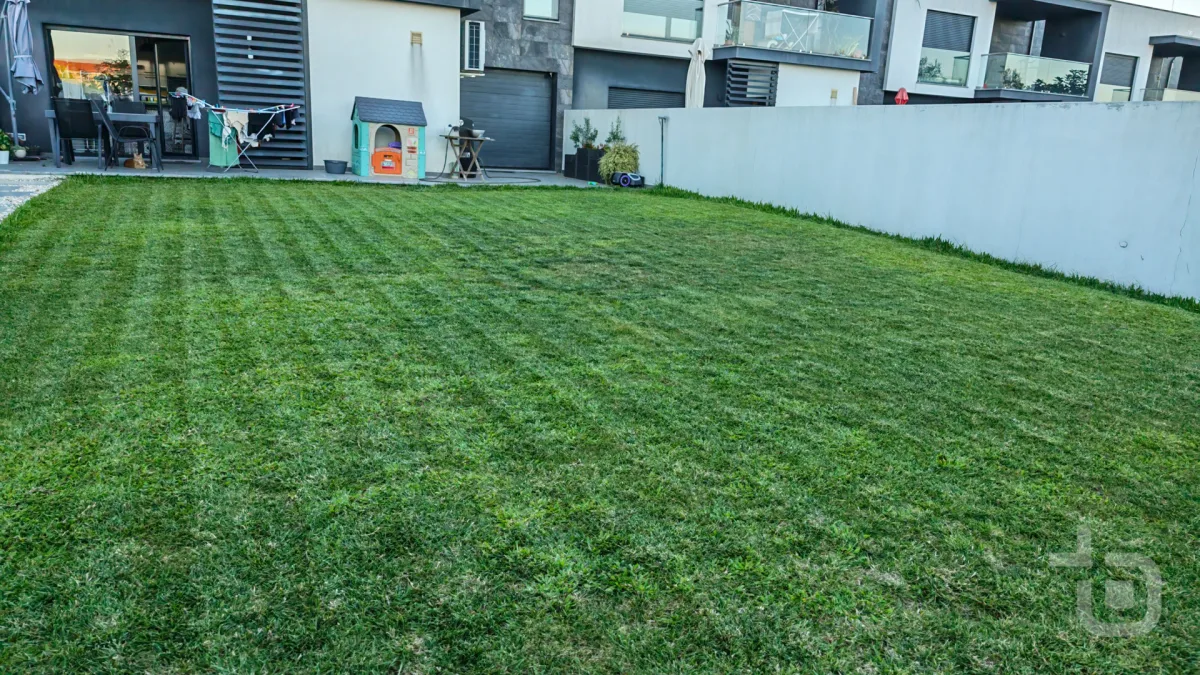
What the robot lawn mower does not do and you still have to do yourself
Here is the point that matters to be honest about. The robot lawn mower does not resolve 100% of grass cutting. And that is not a criticism of the M9 Pro in particular — it is a limitation of the entire category.
Corners and edges along walls, fences, or raised borders always retain a safety margin that the robot does not cut. With daily use, that difference in height gradually grows and becomes visible after a few weeks.
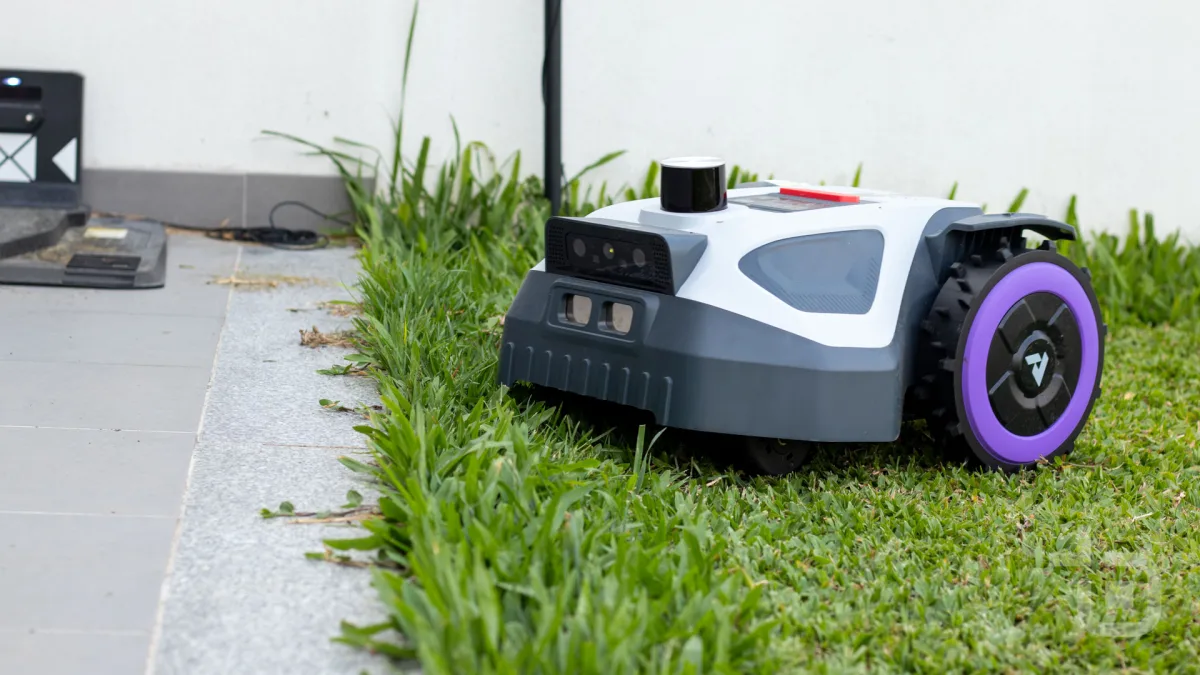
You need a grass trimmer and need to go along those edges regularly. The work is much quicker than if the entire lawn were uncut, but it does not disappear.
Anyone who buys a robot lawn mower expecting never to touch a machine again will be disappointed. Anyone who buys knowing they will save 90% of the work and continue doing the 10% the robot cannot manage will be very satisfied.
What I learned from six months of use
The schedule is more important than it seems. Anthbot does not recommend night-time mowing and I learned that the most practical way possible. When I forgot to adjust the schedule after the clocks changed and the robot left already at dusk, it ended up not seeing a wooden divider, climbed over it, and carried on onto a stone path until it stopped on its own.
Since then, I always make sure to adjust the departure time with plenty of time before sunset.
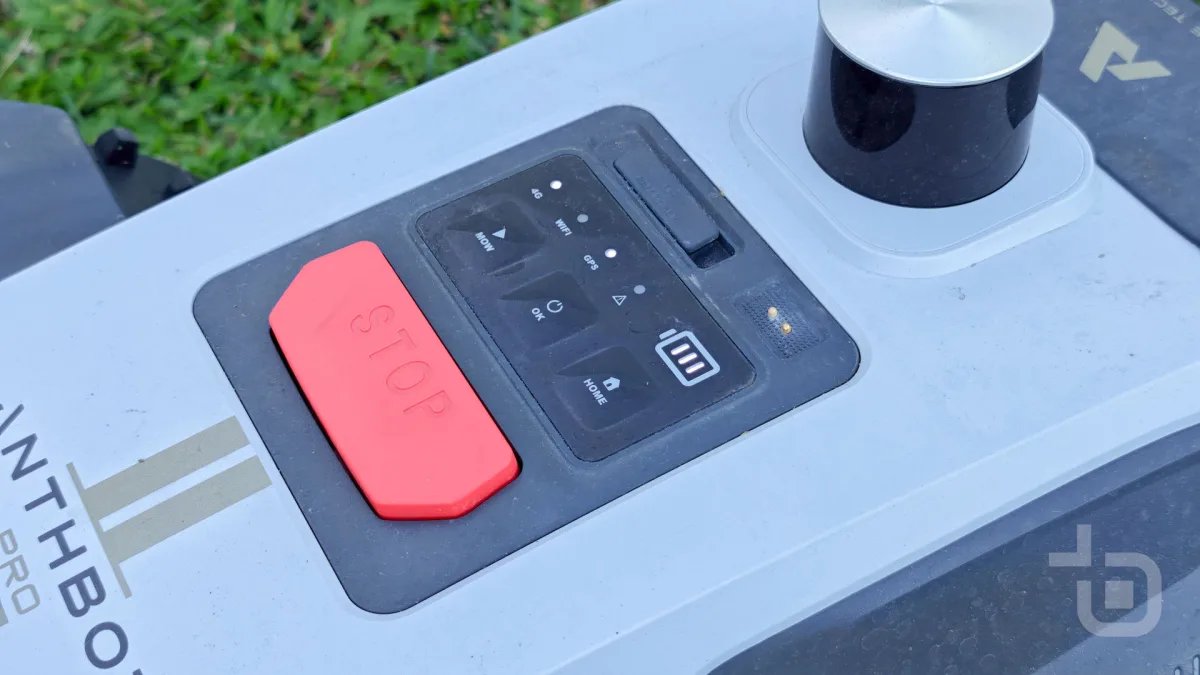
A shelter — whether the brand’s own garage or any other solution — is not optional. The robot is built for outdoor use and handles rain and sun, but continuous exposure over months takes its toll on the connectors, buttons, and materials. A simple cover significantly extends the equipment’s useful life.
4G connectivity, which has a cost after the first year, is worth it for anyone who wants to monitor and control the robot remotely. Without it, app management is limited to Bluetooth when you are near the device or to the home Wi-Fi.
Is a robot lawn mower worth it after six months?
Yes, without hesitation. The change to the routine is real and permanent. The lawn is always presentable, the time I have reclaimed at weekends is genuine, and the experience with Anthbot over these months — including the updates that kept improving the product — reinforces confidence in the brand.
The M9 Pro at €1,299 is a serious investment, but for anyone with a garden who was spending regular time mowing it, the calculation makes sense in the medium term. The only condition is going in with the right expectations. This is a robot that takes care of the lawn, not a system that eliminates garden work entirely.
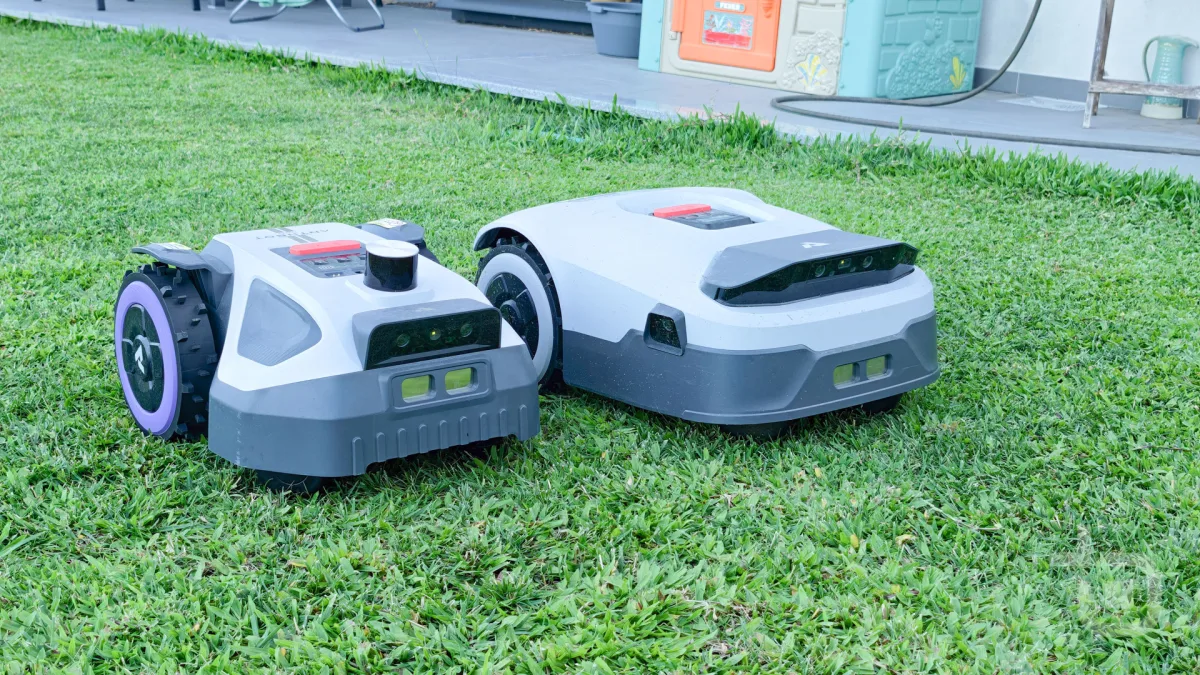
For those who want a more affordable solution without sacrificing the wire-free visual navigation system, the ANTHBOT M5 is available for €629.00, or the M5 Pro for €999.00.
Sobre o autor

Aproveite a campanha: